
Buying a low cost smartwatch sounds simple until you start comparing models. Prices look similar, spec lists blur together, and bold feature claims promise far more than the price suggests. Many buyers end up with a cheap smartwatch that disconnects often, drains its battery in a day, or barely works with their phone. The result is wasted money and a drawer full of gadgets that never get used.
The frustration usually comes from one thing. Most budget smartwatch problems are not defects, they are buying mistakes. People expect premium features at a discount smartwatch price, or they miss small details that matter far more in daily use than flashy marketing lines.
This guide breaks down the seven most common mistakes people make when buying low cost smartwatches. By the end, you will know what actually matters, what does not, and how to pick a budget smartwatch that fits real life instead of sales copy.
Table of Contents
- Mistake 1: Choosing Looks Over Real Features
- Mistake 2: Ignoring Phone Compatibility Before Buying
- Mistake 3: Expecting Medical Grade Health Tracking at a Budget Price
- Mistake 4: Overlooking Smartwatch Battery Life in Daily Use
- Mistake 5: Underestimating the Importance of Smartwatch Apps
- Mistake 6: Believing Every Feature Claim on the Box
- Mistake 7: Buying Without Matching the Watch to the User
- Budget Smartwatch Feature Comparison Table
- FAQ: Low Cost Smartwatch Buying Questions
- Final Thoughts
Mistake 1: Choosing Looks Over Real Features
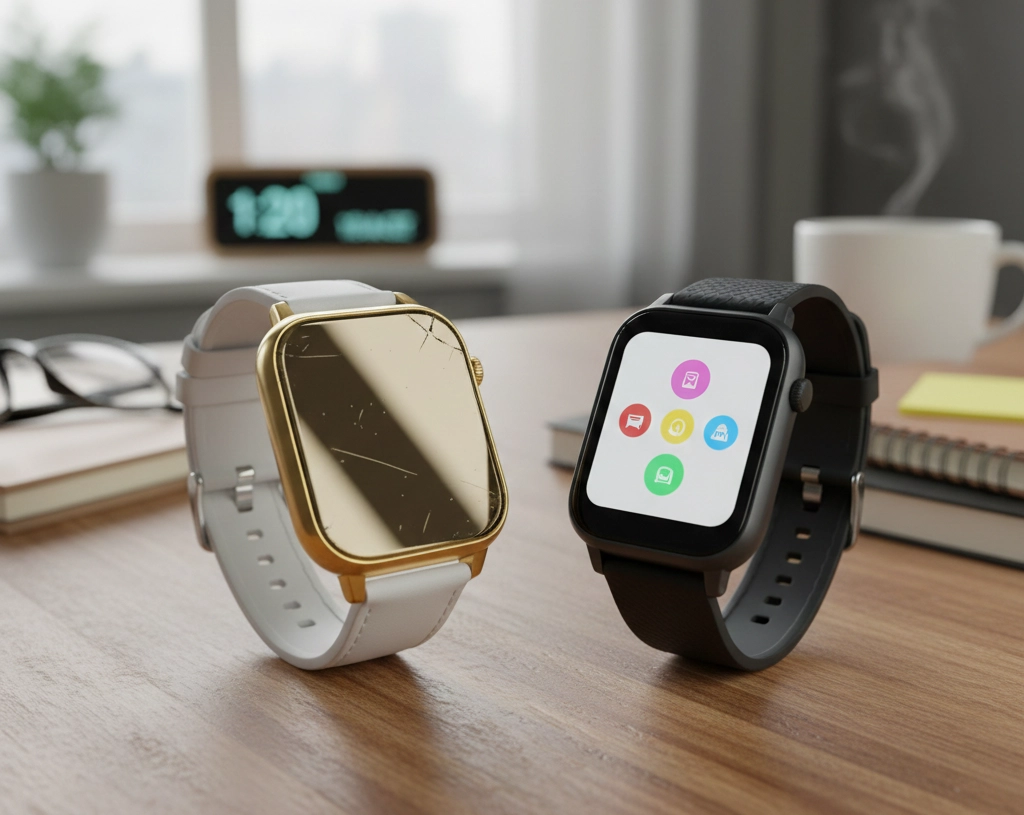
Many cheap smartwatch listings focus heavily on design. Large screens, metal looking cases, and sleek photos grab attention fast. In practice, these models often cut corners where it matters most.
A watch that looks premium but has poor touch response or a dim display becomes annoying within days. Low quality straps crack, buttons stick, and screens scratch easily. For everyday use, comfort, screen brightness, and basic durability matter more than style alone.
When comparing affordable smartwatch options, check practical details first. Screen size should match your wrist, brightness should be readable outdoors, and bands should be replaceable. A simple fitness smartwatch with solid basics usually outlasts a flashy design that sacrifices usability. Once the fundamentals are right, looks become a bonus instead of a regret.
That focus on substance leads directly into the next mistake, compatibility.
Mistake 2: Ignoring Phone Compatibility Before Buying
One of the most common reasons a smart watch gets returned is poor compatibility. Many budget smartwatch models support Android but have limited features on iPhone. Others work on both but restrict notifications or app syncing.
Compatibility affects daily use more than most specs. If notifications arrive late, fitness data does not sync, or setup requires a third party app with poor support, the experience falls apart quickly. This is especially common with very cheap smartwatches sold without clear app details.
Before buying, confirm whether the watch supports your phone type fully. Android smartwatch buyers usually have more options, while iPhone users should look closely at which features actually work. A smartwatch that pairs smoothly and stays connected is far more useful than one with extra features you cannot access.
Once compatibility is sorted, expectations around health tracking need a reality check.
Mistake 3: Expecting Medical Grade Health Tracking at a Budget Price
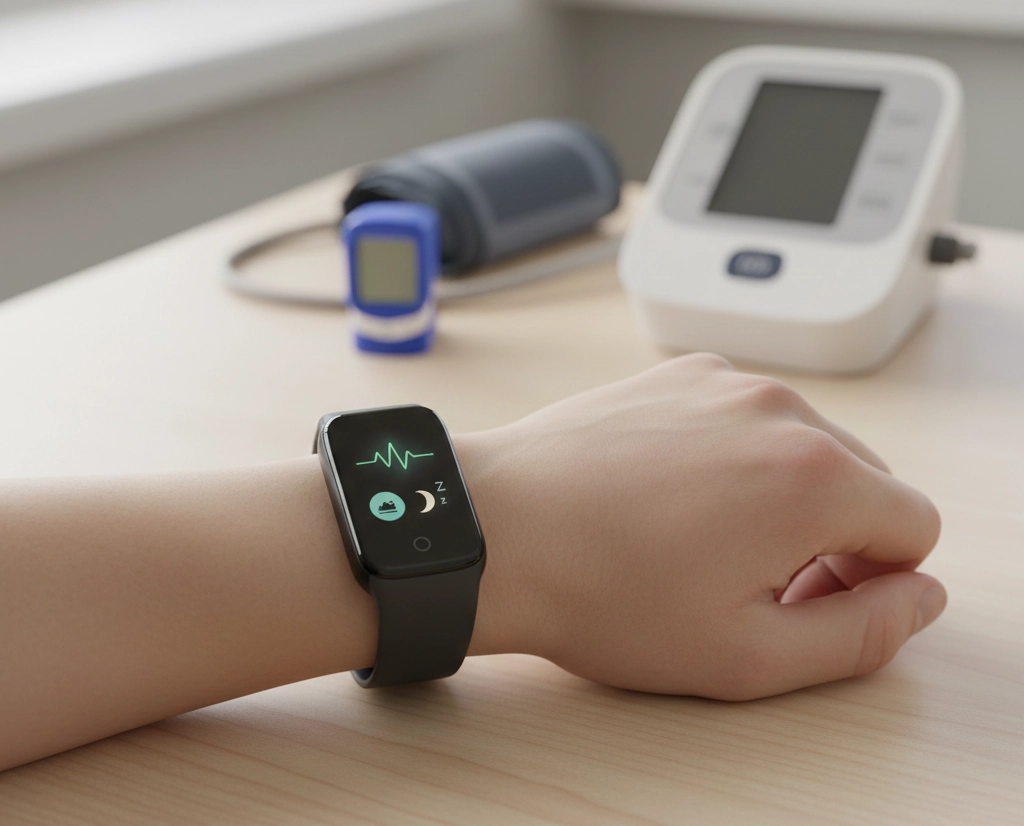
Many low cost smartwatches advertise advanced health tracking. Heart rate watch, sleep tracker, blood oxygen, and even blood pressure readings appear on spec sheets. The problem is how these features perform in real life.
Budget sensors provide trend data, not medical accuracy. Step counts, basic heart rate, and sleep patterns help users spot habits. They do not diagnose conditions or replace medical devices. Claims that suggest otherwise should raise red flags.
A fitness tracker or fitness smartwatch under $50 is best used for general awareness. Heart rate readings work well during rest and light activity, sleep tracking gives rough patterns, and oxygen readings offer occasional snapshots. If you need precise health data, no discount smartwatch will deliver that reliably.
Battery life ties closely to health tracking, which brings up the next mistake.
Mistake 4: Overlooking Smartwatch Battery Life in Daily Use
Battery life numbers on product pages rarely reflect real usage. A smartwatch battery life claim of seven days may assume no notifications, minimal tracking, and low brightness.
In practice, Bluetooth smartwatch features drain power fast. Continuous heart rate tracking, sleep tracking, and frequent notifications shorten battery life significantly. Some cheap smartwatches last a full week, others barely reach two days.
Long battery life matters more than fast charging for most users. Fewer charging cycles mean less hassle and better long term reliability. If you want a watch you can wear daily without thinking about power, prioritize models known for strong battery endurance over those packed with features you rarely use.
Software support also plays a major role in battery behavior.
Mistake 5: Underestimating the Importance of Smartwatch Apps
A smartwatch is only as good as its companion app. Budget models often rely on generic apps that receive limited updates or poor translations. This affects syncing, firmware updates, and data history.
A weak app leads to missing notifications, lost workout records, and unreliable connections. Over time, unsupported apps may stop working after phone updates. This is one of the main reasons cheap smartwatches get abandoned.
Before buying, check app ratings and update history. A simple app that syncs consistently beats a feature heavy app that crashes often. Stable software matters more than long feature lists, especially for long term use.
Marketing claims can also hide software limitations, which leads to the next issue.
Mistake 6: Believing Every Feature Claim on the Box
Low price smartwatches often list impressive features like GPS smartwatch tracking, waterproof smartwatch ratings, or advanced sports modes. These claims need context.
Built in GPS at very low prices often relies on assisted tracking through the phone, not true onboard GPS. Waterproof ratings may support hand washing but not swimming. Sports modes sometimes change labels without adjusting tracking accuracy.
Always ask what the feature actually does. GPS smartwatch tracking may mean phone assisted location. Waterproof smartwatch may mean splash resistant. Smartwatch features only matter when they match how you plan to use the watch.
Understanding marketing language helps buyers avoid disappointment and focus on practical benefits.
Mistake 7: Buying Without Matching the Watch to the User
Not every smartwatch suits every user. Kids smartwatch needs differ from smartwatch for men or smartwatch for women. Wrist size, usage habits, and priorities change what makes a good choice.
A lightweight fitness tracker suits users focused on steps and sleep. A budget smartwatch with notifications fits casual daily wear. Kids smartwatch models focus on simplicity and safety features, not advanced metrics.
Before buying, define your main use. Do you want notifications, fitness tracking, or long battery life? Matching the watch to the user prevents paying for features that never get used and avoids frustration later.
With these mistakes covered, a quick comparison helps put priorities into perspective.
Budget Smartwatch Feature Comparison Table
| Feature | Budget Smartwatch Reality | Best For | Limitations |
|---|---|---|---|
| Heart Rate Tracking | Basic trend monitoring | Daily awareness | Not medical grade |
| Sleep Tracking | Pattern detection | Habit tracking | Limited detail |
| GPS Tracking | Often phone assisted | Casual walks | Lower accuracy |
| Waterproof Rating | Splash or light swim | Daily wear | Not deep water use |
| Battery Life | 5 to 14 days typical | Low maintenance | Varies by usage |
FAQ: Low Cost Smartwatch Buying Questions
Are cheap smartwatches reliable long term?
Reliability depends more on software support and battery quality than price. Many affordable smartwatch models last years with basic use if the app remains supported.
Do budget smartwatches work with iPhones?
Some do, but features may be limited. Always check notification support, app compatibility, and syncing before buying.
Is setup difficult for first time users?
Most budget smartwatch setup processes are simple. Problems usually come from poorly translated apps or unclear instructions.
Can I swim with a waterproof smartwatch?
Light swimming may be supported, but always check the rating. Many waterproof smartwatch claims only cover splashes or rain.
Do these watches come with warranties?
Warranty coverage varies by seller. Marketplace purchases often offer limited return windows rather than long warranties.
Final Thoughts
Low cost smartwatches can be a smart buy when expectations match reality. The biggest regrets come from chasing features instead of focusing on daily use, compatibility, and long term comfort. Avoiding these seven mistakes helps buyers choose an affordable smartwatch that fits their routine and lasts beyond the first few weeks.
Compare real world picks and avoid buying mistakes by exploring our guide to the best smartwatches under $50.